calm
Americanadjective
-
calmer,
comparative
-
calmest
superlative
-
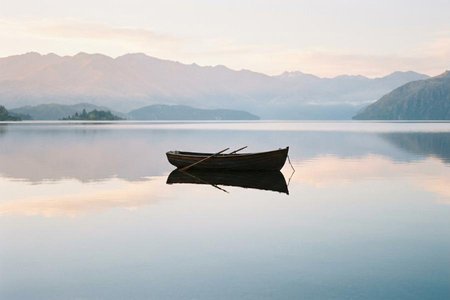
without rough motion; still or nearly still.
a calm sea.
- Synonyms:
- motionless, quiet
-
not windy or stormy.
a calm day.
- Antonyms:
- tempestuous
-
free from excitement or passion; tranquil.
a calm face;
a calm manner.
- Synonyms:
- self-possessed, serene, unruffled, placid
- Antonyms:
- agitated
noun
-
freedom from motion or disturbance; stillness.
-
Meteorology. wind speed of less than 1 mile per hour (0.447 meter per second).
-
freedom from agitation, excitement, or passion; tranquility; serenity.
We look forward to the calm of the island after the summer residents have all returned to the mainland.
She faced the possibility of death with complete calm.
verb (used with object)
-
calms,
present (3rd person singular)
-
calmed,
past participle, past
-
calming
present participle
verb (used without object)
-
calms,
present (3rd person singular)
-
calmed,
past participle, past
-
calming
present participle
idioms
adjective
-
almost without motion; still
a calm sea
-
meteorol of force 0 on the Beaufort scale; without wind
-
not disturbed, agitated, or excited; under control
he stayed calm throughout the confusion
-
tranquil; serene
a calm voice
noun
-
an absence of disturbance or rough motion; stillness
-
absence of wind
-
tranquillity
verb
Usage
What does calm mean? Calm describes something that is still or barely moving, like a pond or a lake. Calm can also describe something that is relaxed or free from excitement, as in Yolanda felt calmer after meditating for a few minutes. Calm can also be used to describe the weather. A calm day isn’t windy or stormy. In meteorology, calm is a wind speed that is less than 1 mile per hour. As a noun, calm typically describes a lack of motion or a stillness in an area where there once was motion or there will be motion. Calm can also describe a notable lack of excitement or agitation that was expected to be caused, as in Roberta believed the only way to approach a big task was with calm and patience. Finally, as a verb, to calm something or someone means to bring it to a pause. You might calm your barking dog by petting it and talking to it in a soothing voice. You might calm an angry friend by talking with them quietly and listening to what’s bothering them. Example: When you feel nervous in front of a crowd, try to look calm and you’ll soon feel calm.
Synonym Usage
Calm, collected, composed, cool imply the absence of agitation. Calm implies an unruffled state, especially under disturbing conditions: calm in a crisis. Collected implies complete inner command of oneself, usually as the result of an effort: He remained collected in spite of the excitement. One who is composed has or has gained dignified self-possession: pale but composed. Cool implies clarity of judgment along with apparent absence of strong feeling or excitement, especially in circumstances of danger or strain: so cool that he seemed calm.
Other Word Forms
Derived Forms
Inflected Forms
Adjectives
Participles
Conjugated Forms
Present
-
calmsimple
-
calmssimple
-
have calmedperfect
-
has calmedperfect
-
am calmingprogressive
-
are calmingprogressive
-
is calmingprogressive
-
have been calmingperfect progressive
-
has been calmingperfect progressive
Past
-
calmedsimple
-
had calmedperfect
-
was calmingprogressive
-
were calmingprogressive
-
had been calmingperfect progressive
Future
Etymology
Origin of calm
First recorded in 1350–1400; Middle English noun and adjective calm(e), from Italian calma (noun), calmo (adjective), from Late Latin cauma “summer heat” (with l perhaps from Latin calēre “to be hot”), from Greek kaûma (stem kaumat- ) “burning heat”; akin to kaíein “to burn” ( see caustic); verb derivative of the noun
Explanation

Just saying the word calm reminds you of how it feels to be calm — steady, at rest, not agitated, chilled out, caaaaalllmmmm. Waters without waves? People without drama? Sounds calm. Some synonyms of the adjective calm are peaceful and even-tempered. As a verb, it describes making someone steady and still — in other words, calm. Taking a walk or calling a friend might help you calm down when you are upset. As a noun, calm is a state of peace or stillness — the calm of your neighborhood at daybreak or the calm you seek when you exercise.
Example Sentences
Examples are provided to illustrate real-world usage of words in context. Any opinions expressed do not reflect the views of Dictionary.com.
See Examples For:
Captain Teena Goswami, who worked with Machchhar at SpiceJet, first met him in 2019 and remembered him as a calm, humble captain who treated junior pilots with respect.
From The Wall Street Journal ● Oct. 1, 2026

He’s presided over declines in homicides and violent crime and established a period of relative calm after the stormy Villanueva years.
From Los Angeles Times ● Oct. 1, 2026

"We have done all the mischief which is done by small kids. During that time he was always very calm," Gandhi said.
From Barron's ● Oct. 1, 2026

However, an anonymous resident from Whelford said she "could not fault" the quick response of UK authorities, describing officers as "calm, thorough and precise".
From BBC ● Sep. 30, 2026

But she said she was nothing but a nervous spinster, and she didn’t think marriage would calm her.
From "The Teacher’s Funeral" by Richard Peck

Crossings are more common during warmer weather and when there are calmer sea conditions, with the highest monthly totals typically between June and September.
From BBC ● Sep. 24, 2026
Slower breathing and a calmer cardiovascular state, by contrast, may encourage a more positive assessment of potential outcomes and make people more willing to take risks.
From Science Daily ● Sep. 4, 2026

The Ionian islands, located on the western coast of Greece, tend to have calmer seas.
From The Wall Street Journal ● Aug. 13, 2026
“The center of social gravity has moved from the nightclub to the workout, the class and the calmer room.”
From MarketWatch ● Jul. 29, 2026

Storch would be calmer now, Nate told himself.
From I Survived the American Revolution, 1776 by Lauren Tarshis
Jess, on loan from a friend in Scotland with a falconry center, was accustomed to people, so she was featured in Mabel’s calmest moments.
From Los Angeles Times ● Dec. 12, 2025
But the abrupt end of the calmest stretch in years rattled traders and left many betting that the swings will continue.
From The Wall Street Journal ● Oct. 17, 2025
Tesla is a silly company in stock market terms, even in the calmest of times.
From Slate ● Jul. 8, 2025

His coach James Trotman told BBC Radio 5 Live this is the calmest he has seen Draper at a Slam.
From BBC ● Sep. 3, 2024
“You are all safe now,” said Roz in her calmest voice.
From "The Wild Robot Escapes" by Peter Brown
“I’m kinda interested in getting a mask and snorkel when this calms down and checking it out.”
From The Wall Street Journal ● Sep. 22, 2026
“When everything calms down and slows down a little bit, I need to get my hearing checked out,” Ganfield said.
From Los Angeles Times ● Jul. 9, 2026
At the same time, your brain’s amygdala, or fear and emotion center, calms down and its prefrontal cortex, which governs rational thought, amps up.
From The Wall Street Journal ● Jun. 27, 2026
Her approach, it was claimed, "inflames rather than calms a situation" and "creates a culture of fear and anxiety".
From BBC ● Feb. 17, 2026
“I did. But it’s the only thing that calms me down. I may be half tuna fish before it’s time to leave!”
From "Blended" by Sharon M. Draper
Oil prices rebounded as tensions in the Middle East remained high despite a recent pickup in exports that calmed supply fears.
From The Wall Street Journal ● Sep. 30, 2026
Everyone knew their fellow New Yorkers needed a bit of a break, and for a short period, the usual din of the city calmed to a whisper.
From Slate ● Sep. 11, 2026
The fighting in Lebanon had calmed since a US-Iran memorandum of understanding and a framework agreement between Israel and Lebanon were both agreed in June.
From Barron's ● Sep. 8, 2026
The crisis has calmed since, but it has sparked tensions between EU nations who share open borders as well as criticism of the Spanish government.
From BBC ● Aug. 14, 2026
Hazel calmed her nerves, trying to avoid pulling more gold from the ground.
From "The House of Hades" by Rick Riordan
Last year I got off of social media, and it was calming.
From The Wall Street Journal ● Sep. 21, 2026
According to the OIG report, between July 2025 and January 2026, the facility kept 79 immigrants in the small metal enclosures, describing them as "calming areas" for people to "deescalate and have time alone".
From BBC ● Sep. 14, 2026
“I like a calming color that’s a little bit bolder.”
From Los Angeles Times ● Sep. 9, 2026
Prime Minister Andy Burnham and treasury chief John Healey have pledged to maintain fiscal rules at the coming budget, calming investor concerns about government spending and borrowing plans.
From The Wall Street Journal ● Sep. 8, 2026
They were as familiar to me as my own reflection, and the normalcy of the sight went a long way toward calming me down.
From "Glitch" by Laura Martin
Definitions and idiom definitions from Dictionary.com Unabridged, based on the Random House Unabridged Dictionary, © Random House, Inc. 2023
Idioms from The American Heritage® Idioms Dictionary copyright © 2002, 2001, 1995 by Houghton Mifflin Harcourt Publishing Company. Published by Houghton Mifflin Harcourt Publishing Company.
