What Is the Meaning of Labor Day?
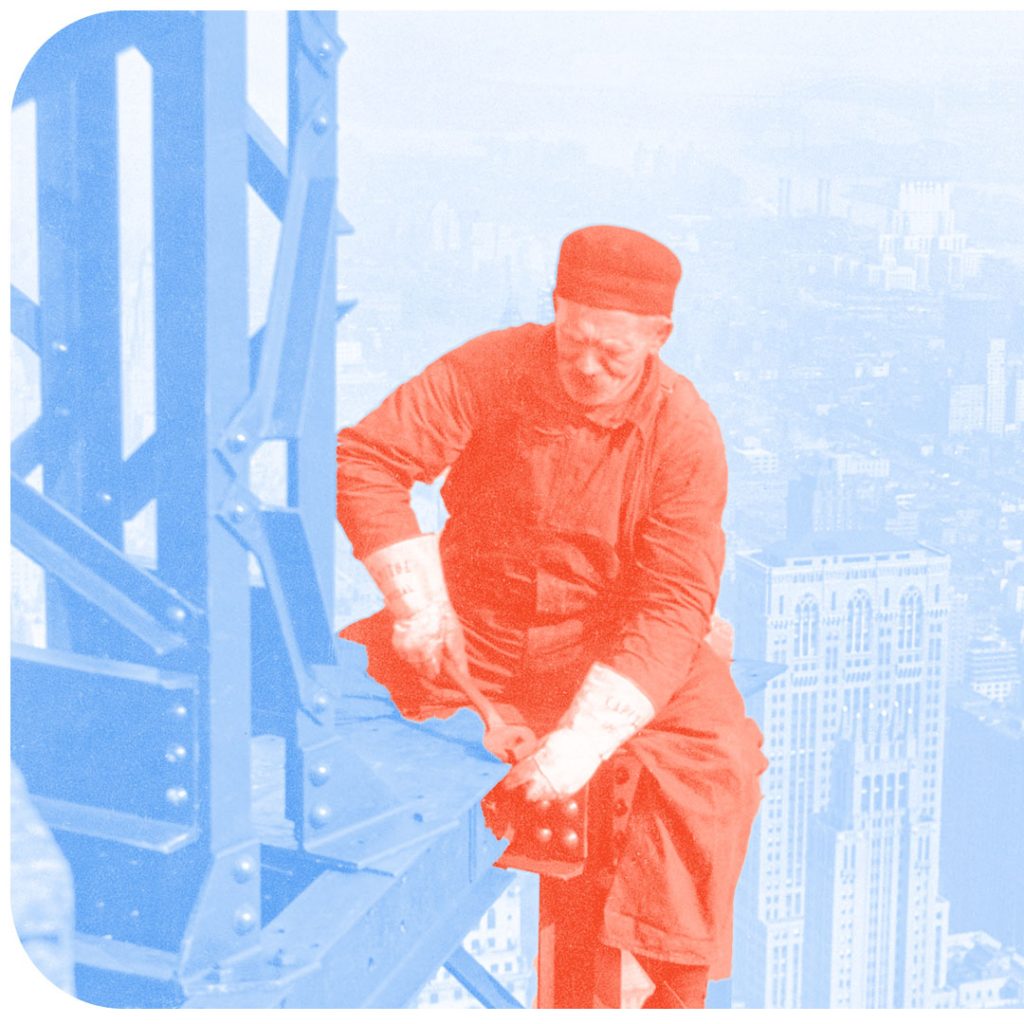
Many of us associate Labor Day with the unofficial end of summer vacation, some department store sales, and perhaps a sense of confusion over whether or not to wear white. (Who exactly said it’s inappropriate to wear white?)
Labor Day is also a time for many to celebrate with friends and family at backyard barbecues, and many teachers and students are heading back to school during early September.
However we choose to spend Labor Day, the holiday offers a chance to reflect on its history. Labor Day, which is held the first Monday in September, is a US federal holiday created in honor of laborers, or workers. And it was introduced at a time when labor meant something far more grueling than it generally does today.
When was the first Labor Day?
The earliest records of the term Labor Day come from the 1880s, as the first Labor Day celebration took place in New York City on September 5, 1882 and was sponsored by the Central Labor Union. About 10,000 union workers marched in a parade to honor American workers, who at the time were without the labor laws we now have. This early celebration was the catalyst that spread Labor Day sentiment across America.
Elsewhere in the world, laborers are honored on what is known as May Day (May 1) or International Workers’ Day. The events that inspired this holiday and led to the creation of the US federal holiday Labor Day occurred in the United States. In 1886, Chicago workers went on strike to demand an eight-hour workday and staged a peaceful labor protest at Haymarket Square. The demonstration turned violent when police retaliated against the Chicago workforce, killing several protesters, and a bomb was thrown at police.
Beginning with Oregon in 1887, a number of states adopted Labor Day as a legal holiday to honor what became known as the Haymarket Riot or the Haymarket Affair. Unfortunately, the holiday alone didn’t remedy the labor situation in Industrial Revolution-era America.
In 1894, the entire railroad system was compromised by the strike and boycott against the Pullman Palace Car Company, a railroad company that faced widespread criticism for its treatment of workers, including wage cuts and working conditions. In response to the Pullman Strike, President Grover Cleveland ordered federal troops to take action, which escalated the violence and caused several deaths. It was in the midst of this strike that President Cleveland helped push through a bill that made Labor Day a national holiday.
Put in the labor and read about the difference between strike and boycott.
