young
adjective
being in the first or early stage of life or growth; youthful; not old.
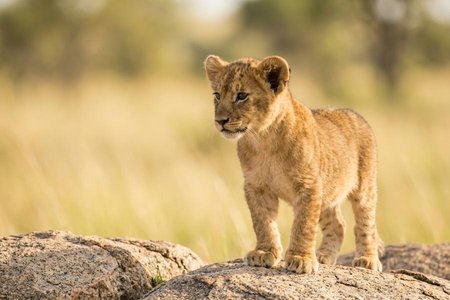
being in the first or early stage of life or growth; youthful; not old.
a young woman.
having the appearance, freshness, vigor, or other qualities of youth.
of or relating to youth.
in one's young days.
inexperienced or immature.
not far advanced in years in comparison with another or others.
junior, as applied to the younger of two persons having the same name.
the young Mr. Smith.
being in an early stage generally, as of existence, progress, operation, development, or maturity; new; early.
a young wine; It is a young company, not yet firmly established.
representing or advocating recent or progressive tendencies, policies, or the like.
those who have youth; young persons collectively.
the educated young of today; a game for young and old.
young offspring.
a mother hen protecting her young.
Andrew (Jackson, Jr.), born 1932, U.S. clergyman, Black civil rights leader, politician, and diplomat: mayor of Atlanta, Georgia, 1981–89.
Art(hur Henry), 1866–1944, U.S. cartoonist and author.
Brigham, 1801–77, U.S. leader of the Church of Jesus Christ of Latter-day Saints.
Charles, 1864–1922, U.S. army colonel: highest-ranking Black officer in World War I.
Denton True Cy, 1867–1955, U.S. baseball player.
Edward, 1683–1765, English poet.
Ella, 1867–1956, Irish poet and mythologist in the U.S.
Lester Willis PresPrez, 1909–59, U.S. jazz tenor saxophonist.
Owen D., 1874–1962, U.S. lawyer, industrialist, government administrator, and financier.
Stark, 1881–1963, U.S. drama critic, novelist, and playwright.
Thomas, 1773–1829, English physician, physicist, mathematician, and Egyptologist.
Whitney M., Jr., 1921–71, U.S. social worker and educator: executive director of the National Urban League 1961–71.
Brigham (ˈbrɪɡəm). 1801–77, US Mormon leader, who led the Mormon migration to Utah and founded Salt Lake City (1847)
Edward. 1683–1765, English poet and dramatist, noted for his Night Thoughts on Life, Death, and Immortality (1742–45)
Lester. 1909–59, US saxophonist and clarinetist. He was a leading early exponent of the tenor saxophone in jazz
Neil ( Percival ). born 1945, Canadian rock guitarist, singer, and songwriter. His albums include Harvest (1972), Rust Never Sleeps (1979), Ragged Glory (1990), and Prairie Wind (2005)
Thomas. 1773–1829, English physicist, physician, and Egyptologist. He helped to establish the wave theory of light by his experiments on optical interference and assisted in the decipherment of the Rosetta Stone
having lived, existed, or been made or known for a relatively short time
a young man
a young movement
a young country
( as collective noun; preceded by the )
the young
youthful or having qualities associated with youth; vigorous or lively
she's very young for her age
of or relating to youth
in my young days
having been established or introduced for a relatively short time
a young member
in an early stage of progress or development; not far advanced
the day was young
geography
(of mountains) formed in the Alpine orogeny and still usually rugged in outline
another term for youthful
(often capital) of or relating to a rejuvenated group or movement or one claiming to represent the younger members of the population, esp one adhering to a political ideology
Young England
Young Socialists
(functioning as plural) offspring, esp young animals
a rabbit with her young
(of animals) pregnant
Young, youthful, juvenile all refer to lack of age. Young is the general word for that which is undeveloped, immature, and in process of growth: a young colt, child; young shoots of wheat. Youthful has connotations suggesting the favorable characteristics of youth, such as vigor, enthusiasm, and hopefulness: youthful sports, energy, outlook. Juvenile may suggest less desirable characteristics, such as childishness, petulance, idleness, selfishness, or heedlessness ( juvenile behavior ), or it may refer simply to the years, up to the later teens, before legal responsibility: juvenile delinquency; juvenile court; juvenile books.
First recorded before 900; Middle English yong(e), Old English geong; cognate with Dutch jong, German jung, Old Norse ungr, Gothic jungs; akin to Latin juvenis

Use the adjective young to describe a person who hasn't been alive very long or doesn't have much life experience. You might feel much wiser and more sophisticated than your young cousins — even if you secretly enjoy playing games with them. As a noun, young generally means "animal babies," like when a mother duck and her young cross the street, though it can also refer collectively to young people: "The young recover so quickly from being sick." When you describe someone as young, you typically mean that they're immature, youthful, or simply not as old as you might expect: "Kids are getting phones so young these days!"
Examples are provided to illustrate real-world usage of words in context. Any opinions expressed do not reflect the views of Dictionary.com.
No doubt this aversion is in part due to her responsibilities as the mother of young children.
From The Wall Street Journal ● Oct. 17, 2026

The Brewers are an exceptional young team and Father Time is undefeated.
From Los Angeles Times ● Oct. 17, 2026

But hundreds of young protesters defied the crackdown to march close to Connaught Place's Central Park, many of them waving flags in a show of defiance.
From Barron's ● Oct. 16, 2026

Bharbi Hazarika spoke to him about what he heard from young voters, how the university and its students have changed since his time there, and what their concerns say about the mood heading into November.
From The Wall Street Journal ● Oct. 16, 2026
I made friends, held hands in a circle, mumbled along to “Kumbaya,” and now here I am in the cramped aisle of a commercial jet, traveling by myself like a fancy, mature young woman.
From "Legendary Frybread Drive-In" by Cynthia Leitich Smith

"We want to rack up some points," England wing Dom Young said.
From BBC ● Oct. 17, 2026

"Young people have awoken for our parents, too," Billa told AFP.
From Barron's ● Oct. 17, 2026
Young AI founders have embraced the so-called 9-9-6, claiming to work from 9 a.m. to 9 p.m. six days a week.
From The Wall Street Journal ● Oct. 17, 2026
The Dodgers have two pitchers who have won multiple Cy Young Awards in Blake Snell and Tarik Skubal.
From Los Angeles Times ● Oct. 15, 2026
Several of us saw what the Americans are up to, and an emergency meeting of the Young Egyptian Party was called.
From "The (Mostly) True Story of Cleopatra's Needle" by Dan Gutman
Paul died on that same night, 22 October 2014, and Jack passed away a few days later, believing he had saved his younger brother's life.
From BBC ● Oct. 17, 2026
But the two find harmony across their 900-year gap, with the younger artwork expanding the older’s textured brushwork into an immersive experience.
From The Wall Street Journal ● Oct. 17, 2026
A national study from the United States found that pregnancy rates for women over the age of 40 using donor eggs was pretty similar to rates at younger ages.
From Slate ● Oct. 16, 2026

"Fewer teachers want to work there, so the teachers are younger, there are more temporary staff, and there's higher absenteeism," he said.
From Barron's ● Oct. 16, 2026
Above the fireplace is a family portrait: Joseph, his younger brother, and a pretty blond woman who must be his mother.
From "The Brightwood Code" by Monica Hesse
"She has four children, the youngest of which is a baby of a year old," said Ní Chuilín.
From BBC ● Oct. 16, 2026
In May 2025, tennis-mad Leo -- a keen gym-goer -- became the youngest man chosen to lead the Church since John Paul II almost 40 years earlier.
From Barron's ● Oct. 15, 2026
The youngest workforce in the American auto industry walked off the job at the General Motors plant in Lordstown, Ohio, in March 1972.
From The Wall Street Journal ● Oct. 15, 2026
Born and raised in New York City, Avi is the youngest of four.
From The Wall Street Journal ● Oct. 14, 2026
Mother believed the spirit was following her youngest daughters.
From "American Spirits" by Barb Rosenstock
Spin the wheel and learn a new word!
Get a wordDefinitions and idiom definitions from Dictionary.com Unabridged, based on the Random House Unabridged Dictionary, © Random House, Inc. 2023
Idioms from The American Heritage® Idioms Dictionary copyright © 2002, 2001, 1995 by Houghton Mifflin Harcourt Publishing Company. Published by Houghton Mifflin Harcourt Publishing Company.
