
disease
Americannoun
-
diseases
plural
-
a disordered or incorrectly functioning organ, part, structure, or system of the body resulting from the effect of genetic or developmental errors, infection, poisons, nutritional deficiency or imbalance, toxicity, or unfavorable environmental factors; illness; sickness; ailment.
- Synonyms:
- malady, disorder, infirmity, indisposition, distemper, derangement, complaint, morbidity
- Antonyms:
- health
-
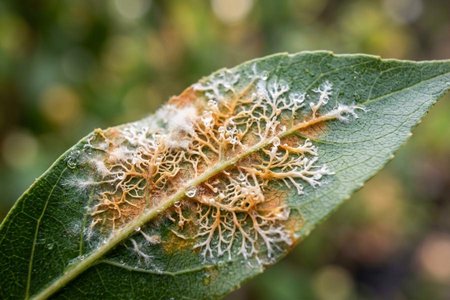
any abnormal condition in a plant that interferes with its vital physiological processes, caused by pathogenic microorganisms, parasites, unfavorable environmental, genetic, or nutritional factors, etc.
-
any harmful, depraved, or morbid condition, as of the mind or society.
His fascination with executions is a disease.
-
decomposition of a material under special circumstances.
tin disease.
verb (used with object)
noun
-
any impairment of normal physiological function affecting all or part of an organism, esp a specific pathological change caused by infection, stress, etc, producing characteristic symptoms; illness or sickness in general
-
a corresponding condition in plants
-
any situation or condition likened to this
the disease of materialism
Other Word Forms
Derived Forms
Inflected Forms
Nouns
Etymology
Origin of disease
First recorded in 1300–50; Middle English disese, from Anglo-French dese(a)se, disaise; dis- 1 + ease
Explanation

A disease is a health condition that has a specific set of symptoms and traits — such as malaria or heart disease. Disease is not always about the human body being sick. Plants and animals are often the victims of disease. People also use the word disease in a more figurative sense to illustrate just how bad or damaging a negative influence can be — like the disease of greed among capitalists or the disease of plagiarism among college students.
Vocabulary lists containing disease
Ecology - Interdependent Relationships in Ecosystems - Introductory
Looking to grow your vocabulary? Check out this interactive, curated word list from our team of English language specialists at Vocabulary.com – one of over 17,000 lists we've built to help learners worldwide!
Ecology - Interdependent Relationships in Ecosystems - Middle School and High School
Interested in learning more words like this one? Our team at Vocabulary.com has got you covered! You can review flashcards, quiz yourself, practice spelling, and more – and it's all completely free to use!
Workshop 5, Part 1
Want to remember this word for good? Start your learning journey today with our library of interactive, themed word lists built by the experts at Vocabulary.com – we'll help you make the most of your study time!
Example Sentences
Examples are provided to illustrate real-world usage of words in context. Any opinions expressed do not reflect the views of Dictionary.com.
See Examples For:
"Our collaborators then discovered a new variant in the EFEMP1 gene that normally causes a different disease where the macula, which is tied to central vision, is affected first."
From Science Daily ● Nov. 22, 2026

A newly identified genetic eye disease can gradually interfere with night vision and the ability to see objects at the edges of the visual field.
From Science Daily ● Nov. 22, 2026
The findings could point toward new ways to detect, treat, or potentially prevent the disease.
From Science Daily ● Nov. 22, 2026
The finding suggests that changes in how the retina functions may reveal the disease before the light-sensitive cells responsible for vision begin to disappear.
From Science Daily ● Nov. 22, 2026
This is a common feature of Hansen’s disease.
From "At Last She Stood" by Erin Entrada Kelly

However, the two diseases affect eyesight in strikingly different ways.
From Science Daily ● Nov. 22, 2026
Moreover, Alzheimer’s and other brain diseases can coexist, a condition referred to as mixed dementia.
From The Wall Street Journal ● Nov. 22, 2026

These widespread effects could have implications beyond Alzheimer's, potentially helping explain biological processes involved in other neurodegenerative diseases, which progressively damage nerve cells.
From Science Daily ● Nov. 22, 2026
In its prospectus, it highlighted the promise of accelerating scientific innovation, curing diseases, and boosting economic growth.
From Los Angeles Times ● Nov. 20, 2026

Father Julien watches helplessly as people die from malaria, beriberi, skin diseases, and starvation.
From "At Last She Stood" by Erin Entrada Kelly
These instructions, carried by messenger RNA, tell the cells to produce specialized proteins that help them identify and eliminate diseased T cells.
From Science Daily ● Nov. 8, 2026
New medications are showing promise in going after a certain kind of hard-to-target protein in diseased cells.
From The Wall Street Journal ● Oct. 15, 2026
A new class of medications—known as “protein degraders”—are showing promise in going after a certain kind of hard-to-target protein in diseased cells.
From The Wall Street Journal ● Oct. 15, 2026
"Farmers may unknowingly buy diseased plants. The trees may look healthy initially, but after five or seven years they can suddenly die, causing huge financial losses," he says.
From BBC ● Sep. 4, 2026

It was like my parents had sent their diseased eldest child to Siberia.
From "Drums, Girls, and Dangerous Pie" by Jordan Sonnenblick
In either case we have diabetes, the sugar irritating and diseasing the kidneys as it passes.”
From Alcohol: A Dangerous and Unnecessary Medicine, How and Why What Medical Writers Say by Martha Meir Allen

They provide for your wants, hearken to your complaints, nurture you in sickness, with a diseasing fondness, and so render you incapable.
From Charlemont; Or, the Pride of the Village. a Tale of Kentucky by William Gilmore Simms
Random Word
Spin the wheel and learn a new word!
Get a wordDefinitions and idiom definitions from Dictionary.com Unabridged, based on the Random House Unabridged Dictionary, © Random House, Inc. 2023
Idioms from The American Heritage® Idioms Dictionary copyright © 2002, 2001, 1995 by Houghton Mifflin Harcourt Publishing Company. Published by Houghton Mifflin Harcourt Publishing Company.
