fairness
Americannoun
-
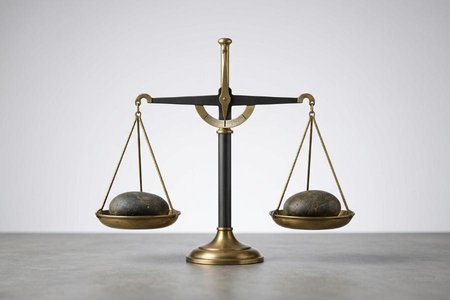
the state, condition, or quality of being fair, or free from bias or injustice; evenhandedness.
I have to admit, in all fairness, that she would only be paid for part of the work.
-
the quality of being light of hair or complexion.
Due to the fairness of her skin, she had to wear extra sunscreen even in the winter.
One of the traits that he got from his father was the fairness of his hair.
Etymology
Origin of fairness
Explanation

Fairness is the quality of making judgments that are free from discrimination. Judges, umpires, and teachers should all strive to practice fairness. Fairness comes from the Old English fæger, meaning "pleasing, attractive." This makes sense given that the word is also used to describe physical beauty. Fairness can refer to someone's good looks, or if someone is very pale and blond, you might notice the fairness of her complexion. When someone shows fairness is making a decision, he is pleasing all parties involved and offering a solution that is attractive to everyone.
Vocabulary lists containing fairness
Journalism
Looking to grow your vocabulary? Check out this interactive, curated word list from our team of English language specialists at Vocabulary.com – one of over 17,000 lists we've built to help learners worldwide!
The Suffix -ness, Part 2
Interested in learning more words like this one? Our team at Vocabulary.com has got you covered! You can review flashcards, quiz yourself, practice spelling, and more – and it's all completely free to use!
"CLEP Principles of Management," Vocabulary from Chapter 6
Want to remember this word for good? Start your learning journey today with our library of interactive, themed word lists built by the experts at Vocabulary.com – we'll help you make the most of your study time!
Example Sentences
Examples are provided to illustrate real-world usage of words in context. Any opinions expressed do not reflect the views of Dictionary.com.
However, a longtime champion of admissions policies that rely on social and economic fairness said he hoped the court would side with Montgomery County.
From Los Angeles Times ● Oct. 19, 2026

But there’s another side of this that often gets overlooked — which, in fairness, you did address somewhat in your answer.
From MarketWatch ● Oct. 14, 2026

Constructive dialogues require fairness and respect and don’t try to force consensus or a particular outcome.
From The Wall Street Journal ● Oct. 6, 2026

In fairness, Roberts did seem to recognize some problems with the breadth of the immunity that the oil companies were asking for, as did Justice Gorsuch.
From Slate ● Oct. 5, 2026

This was fair, but Chicken wasn’t in the mood for fairness.
From "Caterpillar Summer" by Gillian McDunn

Random Word
Spin the wheel and learn a new word!
Get a wordDefinitions and idiom definitions from Dictionary.com Unabridged, based on the Random House Unabridged Dictionary, © Random House, Inc. 2023
Idioms from The American Heritage® Idioms Dictionary copyright © 2002, 2001, 1995 by Houghton Mifflin Harcourt Publishing Company. Published by Houghton Mifflin Harcourt Publishing Company.
